

Spotlight On Stran
Becoming Trendhunters
Before a product makes it into our trends deck, it passes a filter: retail relevance, usability, decoration potential, longevity, and more.
So what stands out for 2026 merch trends? Click the + to find out! 👇
Every year, we dig to see what's coming next in merch. Beyond what looks cool, we consider what's actually going to perform. Here's how we do it. 👇
How We Spot Trends 🔍
We pull from five sources: retail brand movements, trade show research, decoration innovation, client program performance, and broader cultural shifts.
The signal we trust is overlap. One source pointing somewhere is noise. All five pointing the same direction? That's a trend.
What PPAI Confirmed This Year ✅
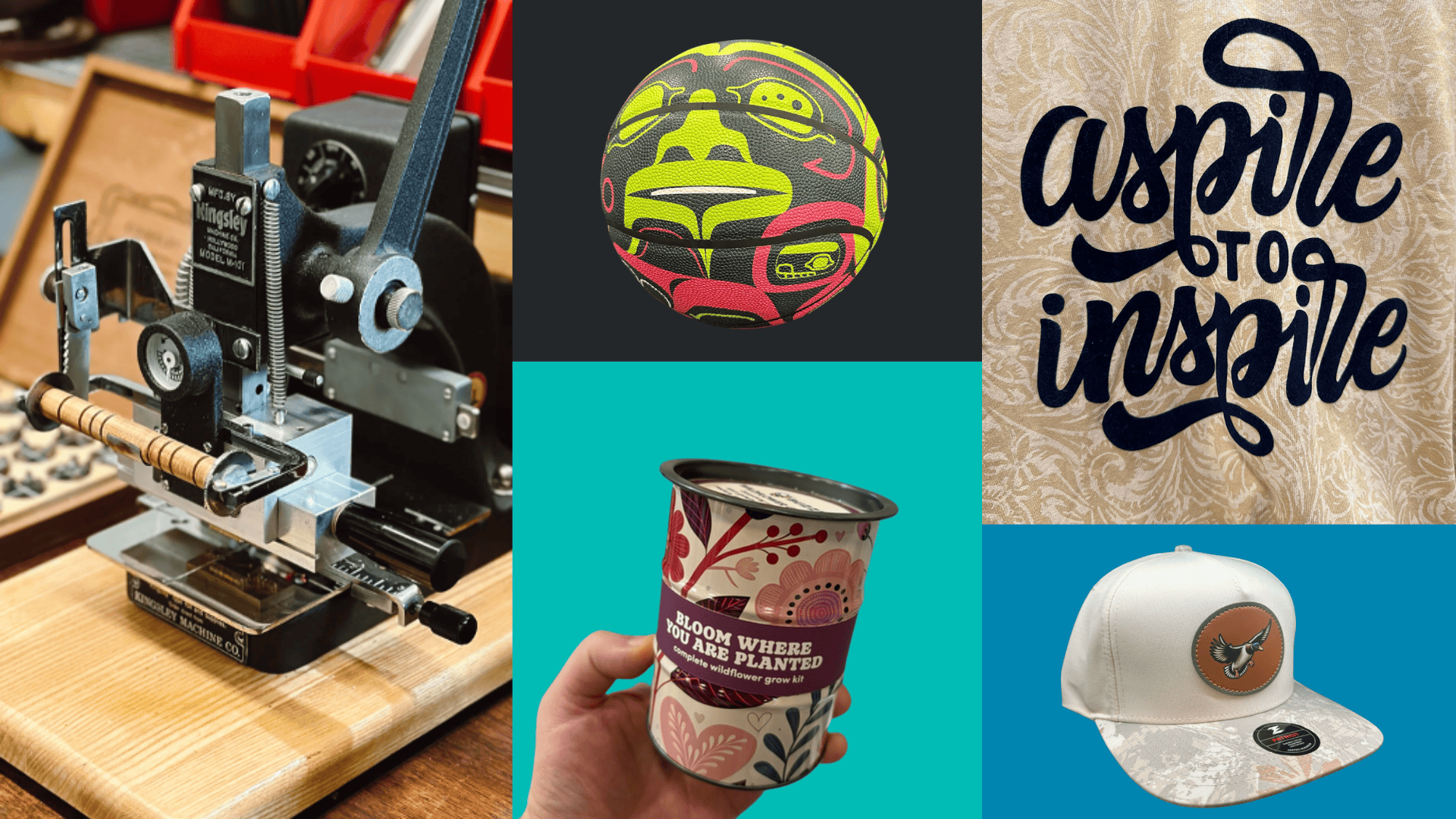
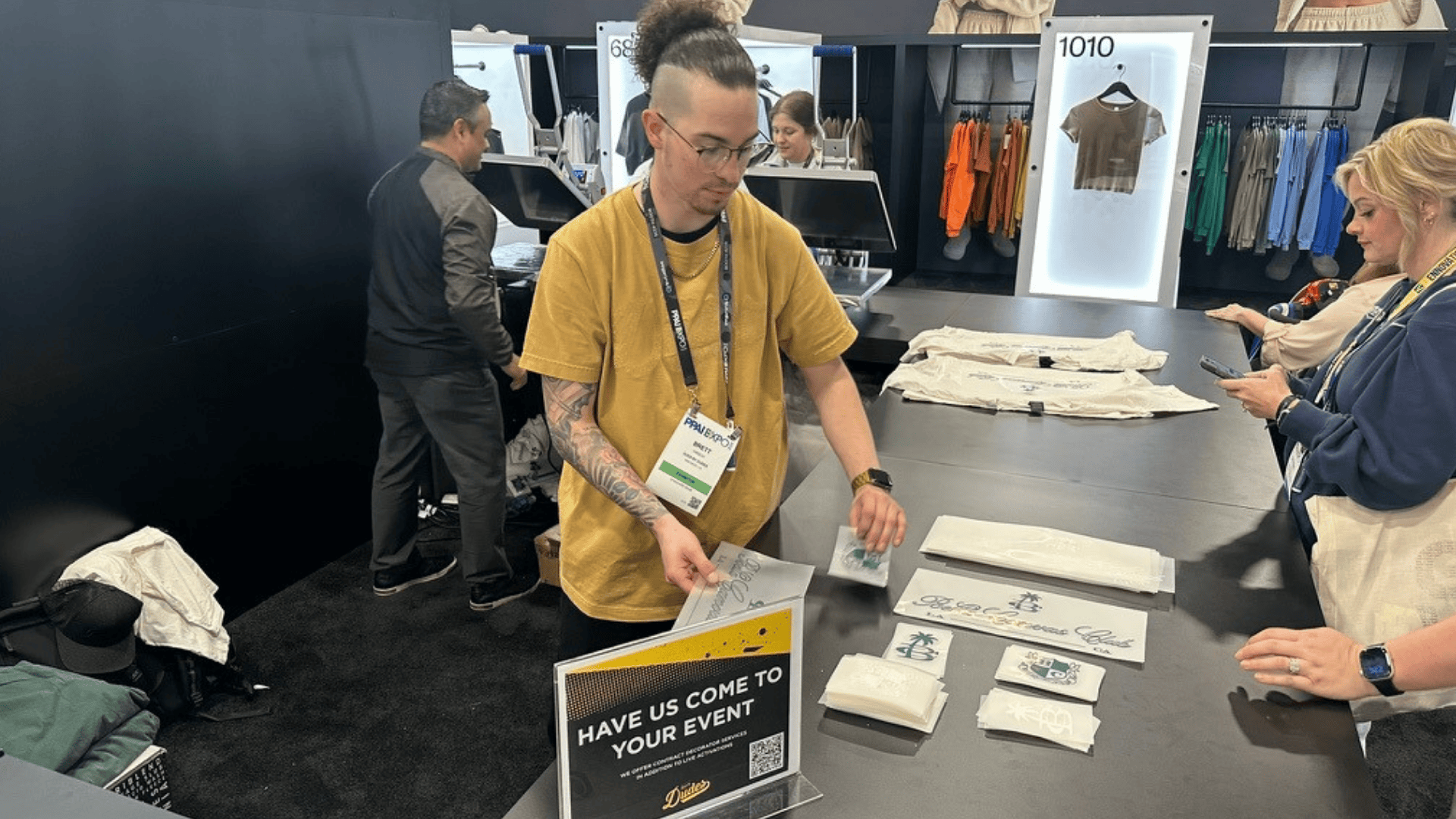
Live personalization dominated the show floor, with activations like engraving, heat press, monogramming, and leather stamping all leading the charge. The booths that worked best turned wait time into brand conversation.
The top aesthetic was West Coast: soft neutrals, comfort-forward, retail-quality. Considered, not loud.
The Themes We're Watching 👀
Three lifestyle themes kept surfacing across every source.
Travel Life: products built for motion
Replenish: wellness as behavior, not category
New Prep: modernized classics that don't age out of programs
The Takeaway 💡
Volume-driven merch is losing ground to curation. Decoration is becoming design. Retail parity is the baseline. Longevity is part of the ROI calculation.
People want less, done better — and our job is to know what "better" means before they have to ask.
Product Picks:
Daily Drivers Only ☕️
This month, we're leaning into the question, "what does it take for a piece of merch to actually earn a place in someone's day?"
These picks answer that question differently, but both get it right.
Click the + to see the picks! 👇
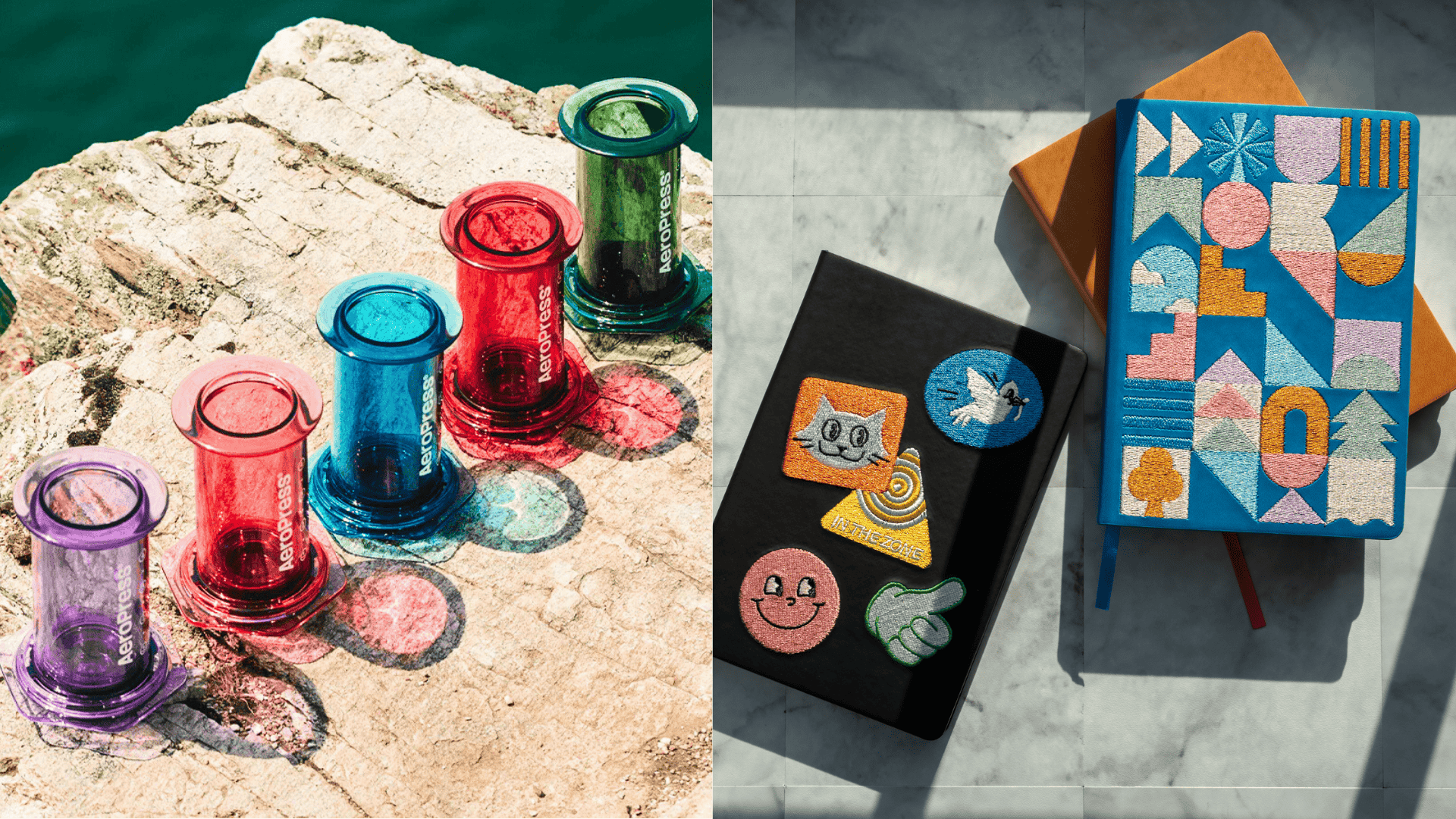
Custom Embroidered Notebook
Embroidery on a hardcover notebook illustrates a small but meaningful shift toward decoration that feels integrated into the product, not slapped on top. And unlike a printed logo, embroidery is tactile; it's something you can actually feel, which makes it more personal and more memorable.
These notebooks also come with a story worth sharing. Every notebook purchase contributes to building schools around the world — so the notebook on someone's desk is doing something beyond looking good.
That kind of mission-backed product lands differently, especially in gifting contexts where the "why" matters as much as the "what."
AeroPress
Some products come with built-in credibility. AeroPress is one of them; it's a cult-favorite that's earned its reputation by actually delivering. It makes a genuinely great cup of coffee, travels easily, and cleans up fast (a quick rinse does the job, or toss it in the dishwasher). For anyone simplifying their desk setup or travel kit, it pulls real weight.
Now available in colors, AeroPress is following the same path that's worked so well for drinkware: color makes it feel personal, fun, and chosen, not just functional. It's a smart evolution for a product that was already doing everything right.
Paired Together
Both picks reflect the same idea: the strongest merch isn't the loudest. It's the stuff that fits naturally into how people live, comes with a story or a purpose, and keeps showing up long after the moment it was given.
Industry News
Merch Is Greener Thank You Think 🌿
There's a common assumption that digital advertising is more environmentally friendly than physical products.
Turns out, that's not quite right.
Click the + to explore why 👇
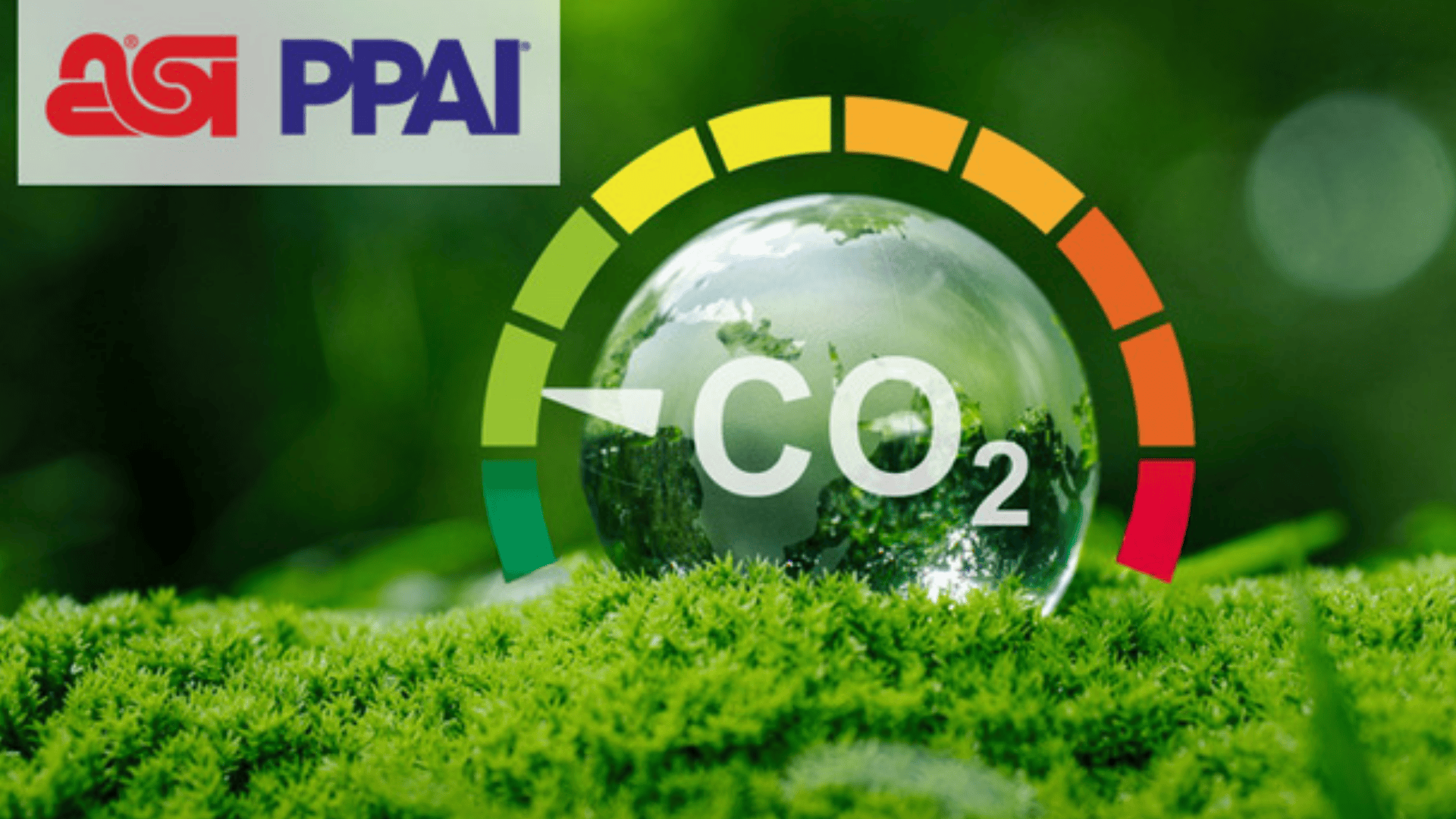
A third-party study commissioned by PPAI and ASI found that promotional products are among the most carbon-efficient advertising options compared to five other channels, including digital, TV, radio, print, and out-of-home.
When measured by carbon impact per memorized impression, branded merch generates eight times less carbon than digital advertising.
Part of what makes the comparison surprising is what people don't see behind digital ads: the data centers, cloud computing, and AI infrastructure that power them all carry a real carbon cost.
The bigger point for merch, though, is longevity. When an item earns a place in someone's daily life, it stops feeling like advertising and starts functioning more like a utility. This causes the impressions to compound over months and years, not seconds.
The study is a starting point for changing public perception of swag. Industry leaders are already calling for more data sharing, better carbon tracking, and responsible end-of-life planning for products.
But the headline is clear: well-chosen merch doesn't just perform. It performs responsibly.
From The Blog
The Merch That Moves People 📖
Trends come and go. The ones worth paying attention to share something in common: they reflect how people are actually living.
Our latest blog breaks down the ideas shaping merch in 2026 and why intention is the throughline connecting all of them.
Read it here 👇