06.09.2026 | News, Featured Homepage, Custom Products, Swag, Why Stran, 2026
How to Build a Cause-Driven Campaign That Feels Authentic
There's a version of cause-driven merch that everyone recognizes, but not in a positive way. We're talking about the rainbow logo that appears in June and disappears in July, the "eco-friendly" tote that falls apart in three months, and the donation tie-in buried in the fine print of a product nobody wanted.
When products are presented as if they do good, but don't have the story or substance to back it up, people notice. And increasingly, they remember.
The good news is that the alternative isn't complicated. Cause-driven campaigns that land share a few things in common, and none of them require a big budget or a sustainability consultant. They require intention.
Start with the cause, not the calendar
The biggest mistake brands make with cause-driven campaigns is working backward from a date. Pride Month is in June, so we need a rainbow product. Earth Day is in April, so we need something green. Breast Cancer Awareness is in October, so we need something pink.
The calendar is a useful prompt, but it's not a strategy.
The brands that get this right ask a different question first: does this cause connect to something we genuinely believe, or something our audience genuinely lives?
If the answer is yes, the calendar becomes an amplifier. If the answer is no, the calendar just becomes a deadline for something hollow.
Let the product carry the story
A cause-driven campaign is only as strong as the product at the center of it. If the product isn't genuinely good — desirable, functional, worth keeping — the cause messaging starts to feel like a distraction from that fact.
This is the tension at the heart of sustainable merch specifically. For years, "eco-friendly" was shorthand for products that looked rougher, felt cheaper, and came with a lot of earnest copy explaining why that was fine.
But it wasn't fine, and audiences knew it.
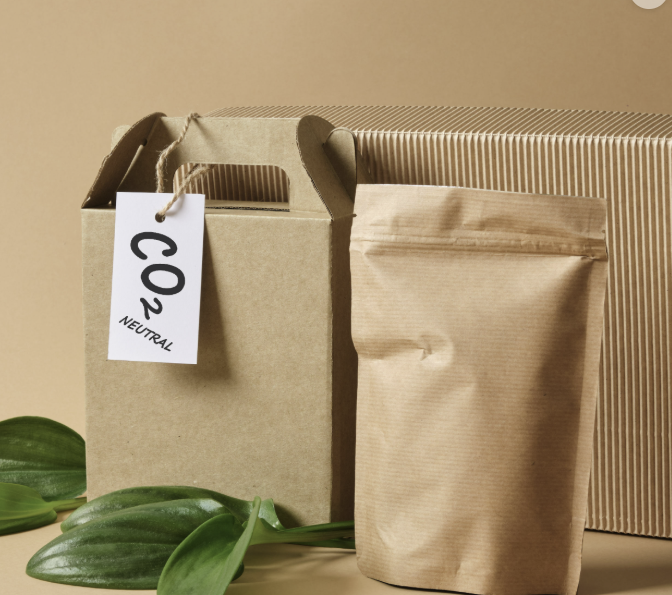
The shift worth making is treating sustainability as a materials and quality conversation. Merch made from recycled, organic, and renewable materials can be beautiful. It can be the product someone would have chosen at retail. When it is, the mission behind it lands differently. It stops being a trade-off and starts being the point.
The GROSCHE KAMLOOPS water bottle is a good example. Triple-wall insulated, retail-quality colorways, leak-proof lid, cup-holder friendly. It earns its place in someone's bag on specs alone. The fact that every purchase funds 50+ days of safe drinking water through the GROSCHE Safe Water Project isn't an extra reason to buy the bottle. The product is already worth having, and the mission makes it worth supporting.
TL;DR: find the product that doesn't need the cause to justify it. Then let the cause elevate it.
Match the moment to the message
Cause-driven campaigns work best when the product, the cause, and the moment of delivery are all pointing in the same direction.
An Earth Day activation handing out branded seed kits at an outdoor event? The moment reinforces the message.
A Pride Month onboarding kit for a new employee joining during a company celebration? The product arrives at exactly the right time, in exactly the right context.
A Breast Cancer Awareness gifting program for a client in the healthcare space? The alignment is built in.
When those three things are aligned, authenticity comes through naturally. When they're misaligned, no amount of good copy fixes it.
Think beyond the launch
One of the subtler ways cause-driven campaigns succeed or fail is in what happens after the product is in someone's hands.
The campaigns that build lasting brand equity aren't always the ones with the biggest launch moment. They're the ones where the product keeps showing up and connecting the recipient to your brand and the cause it represents.
This is part of why product selection matters so much. A product someone reaches for every day extends the life of the campaign indefinitely. A product that goes in a drawer closes the loop the moment it's received.
As you plan for awareness months ahead, such as Breast Cancer Awareness in October, it's worth thinking about this specifically.
What product would someone reach for every morning? What would sit on their desk through the month, not just the week of the event? What would they still be using in January, when the awareness month is long over?
The best cause-driven merch doesn't expire when the calendar moves on.
Get Organized
Before any cause-driven campaign goes out the door, ask:
-
Does this cause connect to something we genuinely believe or our audience genuinely lives?
-
Is the product strong enough to stand on its own, without the cause messaging?
-
Does the moment of delivery reinforce the message?
-
Will this product still be in use after the campaign window closes?
-
Are we saying anything here that we're not willing to back up elsewhere?
If the answer to all five is yes, you're in good shape. If any of them give you pause, that's the work to do before launch — not after.
Cause-driven campaigns are one of the most powerful tools in a brand's merch toolkit. When they're built with intention, they build trust, community, and real connection. When they're not, they do the opposite.
Loved this blog? get more insights from our team!
👐 Subscribe to our blog to get the first look at our latest swag collections
🎧 Reach out to our friendly branding experts
More ResourceS
Elevate Your Branded Merch Strategy