
11.04.2026 | News, Featured Homepage, Swag, Why Stran, 2026, Decorations
What Each Method Does Best (and Where It Falls Short)
A team orders new polos for a trade show. The logo is detailed, with six colors and a thin tagline underneath. It gets embroidered on a lightweight performance fabric, and the result puckers. The tagline turns into a blur of thread, and the polos end up in a box under someone's desk.
The product was right. The decoration method was wrong.
Decoration is usually the last decision in a merch order, but it shapes how a piece looks, feels, and holds up. The same logo can look premium on one item and cheap on another, depending on how it's applied. Below is a breakdown of the most common decoration methods, when each one works best, where each one falls short, and what's new this year.
Why does decoration method matter?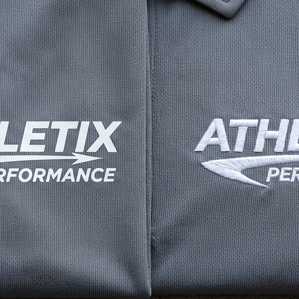
Decoration plays a big part in whether the merch gets worn or forgotten. It affects four things buyers care about: how premium the piece looks, how long the logo lasts, what the order costs, and whether the result matches brand standards.
Buyers are paying closer attention to it, too. PPAI Research found that 78.7% of PPAI 100 distributors report rising demand for better-designed, retail-style products, and 70.4% say durability is the strongest signal of product value. When budgets tighten, 60% of buyers cut quantity first, while only 11% cut customization.
Put simply, buyers would rather order fewer pieces and get the decoration right.
The Tried-and-true Decoration Methods
Most merch programs rely on a core set of methods. Each one has a sweet spot, and each has limits worth knowing before you place an order.
Screen printing
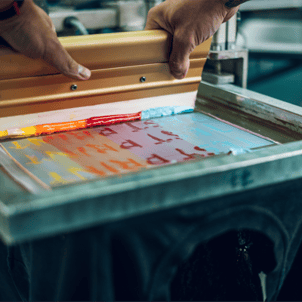
How it works: Ink is pushed through a mesh screen with a squeegee, while a stencil blocks the areas that shouldn't print. Each color needs its own screen.
Best for: Bold, simple artwork on larger runs of tees, hoodies, and totes. Once the screens are made, the cost per piece drops quickly, and the thicker ink layer resists fading in sunlight.
Watch out for: Photographic artwork and small orders with lots of colors. Every added color means another screen and more setup.
Pro tip: Keep the logo to a few spot colors, and screen printing becomes one of the most cost-effective options on the table.
Embroidery
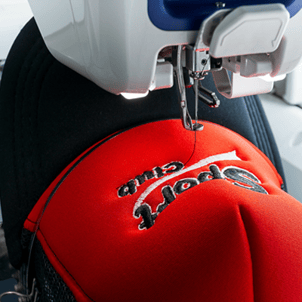
How it works: A digitized file guides the machine as it stitches the design into the fabric, typically from the center outward.
Best for: Polos, outerwear, caps, and bags. Embroidery reads as premium and holds up to years of wear, which is why it remains the standard for corporate apparel and headwear.
Watch out for: Thin fabrics. They need a thicker backing, and poor digitizing or the wrong backing can pucker the material. Small text and gradients also lose detail in thread.
Pro tip: Ask for a sew-out (a stitched sample) on the actual garment before approving a large order.
Laser Engraving
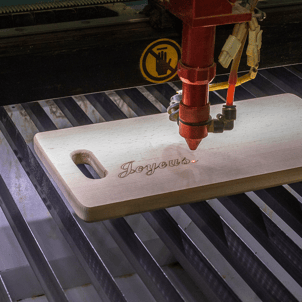
How it works: On powder-coated drinkware, a CO2 laser removes the coating to reveal the stainless steel underneath. Fiber lasers mark bare metal directly.
Best for: Tumblers, bottles, metal, wood, leather, and glass. The mark is permanent and tonal, and it won't fade or peel.
Watch out for: Brand colors. Engraving is single-tone, so color comes from the material itself.
Pro tip: Ask for a proof on the exact product color, since the engraved mark looks different on every finish.
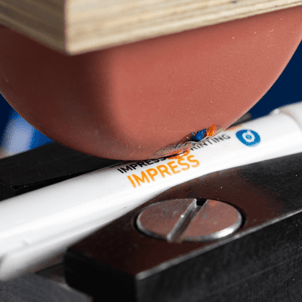
Pad Printing
How it works: A flexible silicone pad picks up ink from an etched plate and stamps it onto the product, wrapping around curves, recesses, and textures.
Best for: Pens, tech accessories, badges, and other small or curved items. It handles tiny text and intricate logos, metallic and neon inks are possible, and it's most cost-effective on orders of 500 or more of the same design.
Watch out for: Personalization. Every change in text requires a new plate, so individual names call for a different method.
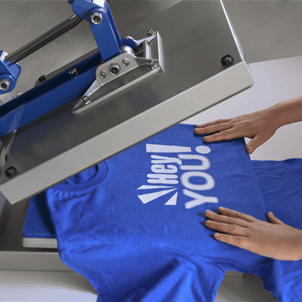
Direct-to-Film (DTF) and Heat Transfers
How it works: The design is printed in color, followed by a layer of white ink, onto transfer film. Adhesive powder is applied and cured, and the transfer is heat-pressed onto the product.
Best for: Full-color artwork on small runs and mixed fabrics. Transfers print on demand, so a single piece costs about the same in materials as one from a large run, and extra transfers can be ordered ahead and applied later.
Watch out for: Large designs. The transfer sits on top of the fabric and can feel heavier than printed ink, and screen-printed transfers still have the edge on durability.
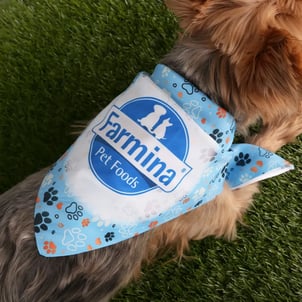
Dye Sublimation
How it works: Heat turns dye into a gas that bonds with polyester fibers or a polymer coating, so the design becomes part of the material.
Best for: Vibrant, edge-to-edge prints on light-colored polyester apparel, lanyards, mousepads, and coated mugs or panels. The print has no hand feel at all.
Watch out for: Cotton and dark colors. Sublimation only works on polyester and poly-coated surfaces, and colors show up best on white. Hard goods need a poly coating to accept the ink.
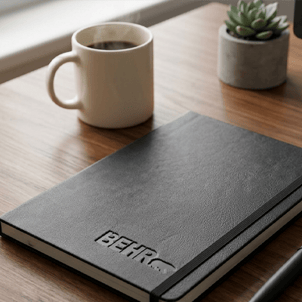
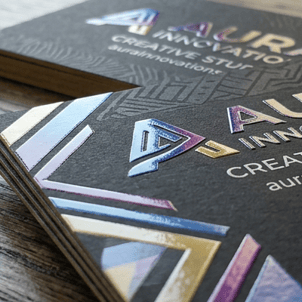
Debossing and Embossing
How it works: A heated die presses the design into the material (deboss) or raises it from the surface (emboss).
Best for: Leather goods, journals, padfolios, and premium gifts. The result is subtle and tactile.
Watch out for: Color. There's no ink unless you add an ink fill, so the logo relies on texture to stand out.
Full-Color Digital and UV Printing
How it works: Inkjet printers apply full-color artwork directly onto hard goods, and UV light cures the ink instantly.
Best for: Photographic or gradient-heavy artwork on drinkware, tech, and signage. Digital printing also handles variable data, like individual names on event badges, quickly.
Watch out for: Heavy daily use. Durability depends on the surface and how often the item is handled or washed.
Here is a quick overview:
|
Method |
Best Materials |
Best For |
Skip It When |
|---|---|---|---|
|
Screen printing |
Cotton, blends, canvas |
Bold logos on larger runs |
Small orders with many colors |
|
Embroidery |
Polos, outerwear, caps, bags |
Textured, premium branding |
Thin fabrics, tiny text, gradients |
|
Laser engraving |
Metal, wood, leather, glass |
Permanent, tonal marks |
Brand colors are required |
|
Pad printing |
Plastics, small curved items |
Small imprint areas |
Large or full-color artwork |
|
Heat transfer / DTF |
Cotton, polyester, blends, nylon |
Full color on small runs |
Large designs where feel matters |
|
Dye sublimation |
Light polyester, coated surfaces |
All-over prints |
Cotton or dark garments |
|
Deboss / emboss |
Leather, paper, padfolios |
Subtle, premium gifts |
Color matters |
|
Full-color / UV |
Drinkware, tech, signage |
Photo-quality detail |
Heavy daily wear and washing |
When the obvious choice is the wrong choice
Many decoration problems start with picking a method out of habit. These are the mismatches we see most often.
Embroidery on the wrong fabric or artwork
Embroidery feels like the safe, premium pick, which is why it gets overused. Dense stitching can pucker thin performance knits and lightweight tees, and it adds weight to fabric designed to stay light. Text smaller than about a quarter inch tends to blur, and gradients or photographic logos can't be reproduced in thread. A heat-applied patch, a woven label, or a print method on the garment itself is often the better fit.
Screen printing on short, colorful runs
Every color in a screen-printed design needs its own screen. A 24-piece order with a five-color logo carries the same setup work as a 500-piece order. DTF or digital printing usually makes more sense here.
Sublimation on cotton or dark garments
Sublimation dye bonds with polyester. On cotton it fades quickly, and on dark colors it barely shows. Screen printing or DTF will give a cleaner result.
Printing where engraving would last longer
A full-color print on a tumbler looks great on day one, but daily handling and washing can wear it down. For drinkware that gets heavy use, laser engraving keeps the logo intact for the life of the product.
Pad printing on large surfaces
Pad printing is precise in small areas, but it can't cover a large imprint evenly. UV or full-color printing handles bigger artwork on hard goods.
The right partner flags these mismatches before an order goes to production and suggests a method that fits both the artwork and the product.
What's New: Decoration with a retail look
Promo is taking its cues from retail. At ASI Show Orlando 2026, editors noted that apparel now makes up nearly half of annual promotional products sales in North America, and the styles and decoration methods getting the most attention were retail-inspired. PPAI's 2026 research points the same way, naming elevated decoration, personalization, and packaging as the details buyers are prioritizing.
Here's what that looks like on the products themselves.
Quiet Luxury and Small Branding
On the ASI Orlando show floor, editors saw a continued move away from large, logo-centric designs toward subtle branding that encourages people to use items outside of work. One supplier described the shift as going from big branding to small branding. In practice, that means tone-on-tone embroidery, a debossed leather patch, or a small engraved logo near the lid of a tumbler. Pieces with quiet branding are easier to wear and use every day, so they stay in rotation longer.
Unexpected Placements
Where the logo goes is getting as creative as how it's applied. Performance apparel supplier Levelwear showed patent-pending decoration on the inside flap of a zippered jacket. Inside collars, sleeves, hems, and back yokes give branding the same discreet finish people see on retail apparel.
Retro Textures: Chain Stitch and Chenille
Chain stitch embroidery uses a looping stitch that mimics the links of a chain, giving logos a raised, handsewn look. It pairs especially well with script lettering, and demand has grown alongside the broader appetite for vintage and retro styles. On headwear, 3D chain stitch has been a standout this year, along with upside-down lettering in an arc, both aimed at making a bolder impact than a standard patch or embroidered logo.
Chenille brings the same nostalgia with a softer, fluffier texture. At ASI Orlando, one supplier showcased chenille patches as a fit for resort and hospitality merch, and the varsity feel works just as well for anniversaries, campus programs, and team apparel.
Patches, Puff, and Dimension
Leather, suede, rubber, woven, and embroidered patches give caps, bags, and jackets a retail finish. They're also a smart workaround when direct embroidery won't sit well on a fabric. Raised embroidery and 3D puff inks add dimension without adding colors, which is why they show up so often on the front panel of a cap.
Mixed Media
Combining methods on one piece, like embroidery with a printed graphic or a patch with a woven label, gives merch the layered look of retail apparel. It also lets each part of the design use the method that suits it best.
Personalization at Scale
Digital methods have made one-off personalization practical for large programs. ASI has reported that the continued adoption of DTF opened up a new world of customization and personalization for decorators (ASI). Names, initials, and location-specific designs can now be added to individual pieces without a separate setup for each one.
Live, On-Site Personalization
This is where decoration becomes an experience. Live customization activations were prominent across the PPAI Expo 2026 show floor, including heat-press apparel stations, patch applications, and mix-and-match product components. The expo's live product pitch competition was even won with concepts for on-site sock, bucket hat, and shoe bars.
Attendees choose a name, initials, or design and watch it being made. The piece becomes a keepsake, and the station becomes a highlight of the event. Guests at Stran's annual open house got a taste of this with a make-your-own merch bag station.
Here's an example: a live hat bar from Gander Group, a Stran company.
How do you choose the right decoration method?
How do you choose the right decoration method?
Five questions narrow it down fast.
-
What's the product made of? Fabric weight, fiber content, and surface type rule some methods in and others out.
-
How detailed is the artwork? Count the colors and look for small text, thin lines, and gradients.
-
How many pieces, and what's the budget? Setup-heavy methods pay off at volume. Digital methods win on short runs.
-
How will it be used? Think about daily wear, washing, and handling.
-
Does the finish match the brand? A bold print, a tonal deboss, and a chenille patch all say something different about the same logo.
How stran helps you get the decoration right
At Stran, decoration is part of the strategy from the first conversation. Our sourcing and creative teams match the product, the method, and your brand standards before anything goes to production. That means fewer reprints, fewer surprises, and merch people want to keep.
Planning a program, an event, or a refresh of your company store?
Contact Our Team to talk through the right decoration for every piece.
FAQ
Q: What's the most durable decoration method?
A: Laser engraving and embroidery last the longest. Engraving is etched into the surface, and embroidery is stitched into the fabric, so neither fades or peels.
Q: Can you embroider on performance fabric?
A: Yes, with care. Lighter designs, the right backing, and fewer stitches help prevent puckering. For thin knits, a heat-applied patch or a print method is often the better choice.
Q: What's the difference between DTF and screen printing?
A: Screen printing pushes ink through a screen, one color at a time, and is most cost-effective on larger runs. DTF prints full-color artwork onto film and heat-presses it onto the garment, with no screens, which suits small runs and detailed designs.
Q: Which decoration method is best for small orders?
A: DTF, digital printing, and laser engraving have little to no setup, so they work well for short runs.
Q: What is tonal branding?
A: Tonal branding uses a logo color close to the product color, like navy thread on a navy jacket or a deboss with no ink. It looks subtle and premium, so people tend to wear it more.
Resources:
Industry and Trade Publications
-
PPAI Research: New Year, New-ish Trends (PPAI, Jan. 2026)
-
ASI Orlando 2026: 4 Promo Apparel & Headwear Trends (ASI Media, Jan. 2026)
-
ASI Orlando 2026: 4 Hard Goods Trends (ASI Media, Jan. 2026)
-
Chain Stitch Embroidery Reflects Rising Demand for Retro, Vintage Products (ASI Media)
-
Canadian Distributors Search for Classic Categories (ASI, July 2025)
-
PPAI Expo Returns to Las Vegas in 2026 (Trade Show Executive)
-
Printing Name Badges: Choosing the Right Decoration Method (Print & Promo Marketing, May 2026)
Technical and How-It-Works
-
Apparel Decorating Techniques (GRAPHICS PRO, Mar. 2025)
-
Sublimation vs. heat printing and sublimation on hard substrates (GRAPHICS PRO)
-
Laser engraving tumblers (Epilog Laser)
More Resources:
Elevate Your Branded Merch Strategy
